

Table of Contents
- What Is Custom Wig Thinning?
- Wig Density Explained: Why It Matters
- How to Thin Out a Wig: Professional vs DIY
- The Cost-Benefit Analysis of Custom Wig Thinning
- Professional Wig Customisation: When It Delivers Real Value
- Key Factors to Consider Before Investing
- Conclusion: Is It Worth It for You?
- Frequently Asked Questions
Last Updated: September 23, 2026
What Is Custom Wig Thinning?
Custom wig thinning is the process of removing density from a wig to create a more natural, lighter appearance. Instead of wearing a wig that feels heavy or looks obviously artificial, thinning strategically reduces bulk whilst maintaining the wig's structure and wearability. The goal is simple: make your wig look and feel less like a wig.
At Wigs Ldn, we understand that density matters. A wig that's too thick can look costume-like, sit awkwardly on your head, or feel uncomfortable during extended wear. Thinning addresses this by removing hair strategically from areas like the crown, sides, or underneath layers. The result is a wig that moves more naturally, sits better, and blends seamlessly with your own hairline and skin tone.
This isn't a one-size-fits-all service. The amount of thinning depends on your hair type, face shape, and how you want the wig to sit. Some people want subtle thinning just to reduce weight. Others need significant density reduction to achieve a realistic scalp appearance. That's why custom wig thinning exists as a service, it's tailored to your specific needs rather than applied uniformly to every wig.
Wig Density Explained: Why It Matters
Wig density refers to how much hair is packed into the wig's base. It's measured as a percentage, typically ranging from 80% to 200% density. Lower density means fewer hairs per square inch; higher density means thicker, fuller coverage.
Understanding density is crucial because it directly affects how natural your wig looks and feels. A 100% density wig mimics the density of typical human hair. Anything above 150% starts to look noticeably thicker and fuller, great for volume, but potentially less realistic. Anything below 100% looks sparser, which can expose the lace or cap underneath if not cut correctly.
The problem most people encounter is this: mass-produced wigs often come in standard densities that don't match individual preferences. A wig that's perfect for someone wanting dramatic volume might look unnatural on someone seeking a discreet, everyday solution. This mismatch is where custom wig thinning bridges the gap.
Density also affects comfort. A heavier wig (higher density) can cause scalp tension, headaches, or neck strain during all-day wear. Thinning reduces weight, which means less fatigue and better comfort for people wearing wigs for extended periods or due to medical conditions like alopecia.
How to Thin Out a Wig: Professional vs DIY
There are two paths to custom wig thinning: professional services or doing it yourself. Each carries different risks, costs, and outcomes.
Professional Thinning Services
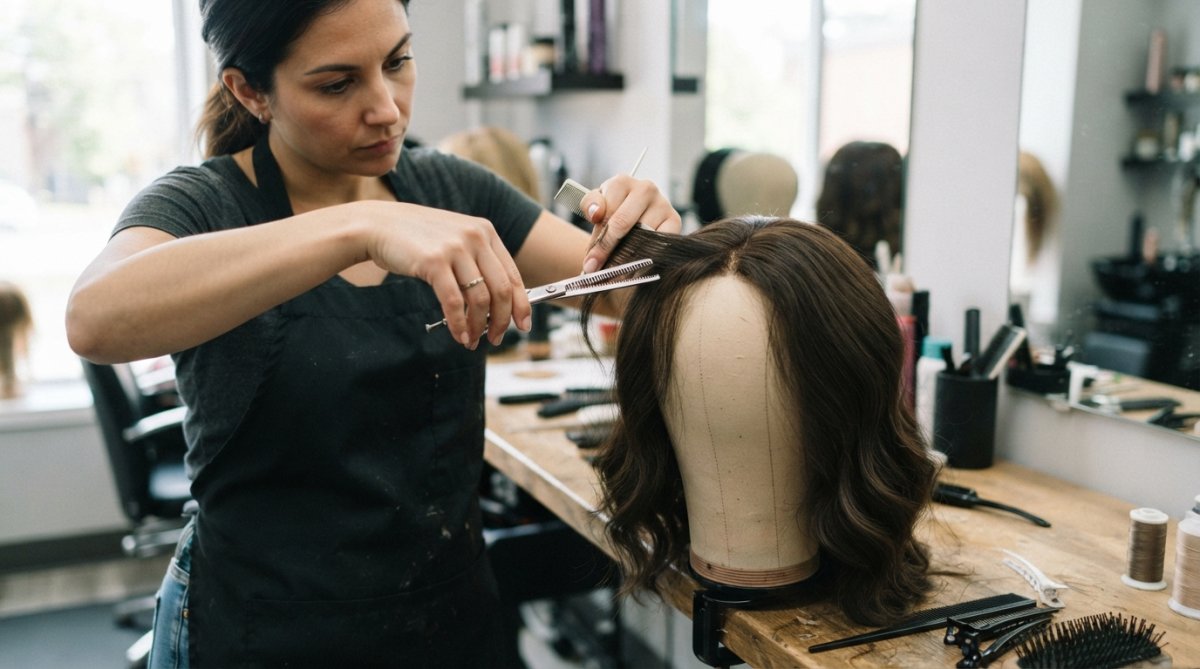
Professional stylists have the training, tools, and experience to thin a wig without compromising its structure or longevity. They understand how to remove density strategically so the wig still holds its shape, moves naturally, and maintains even coverage.
Wigs Ldn offers a Restyle service for £35.00. For more comprehensive work, including deep conditioning, styling, cutting, and repairs, the Restore and Repair service at £150.00 provides a full revamp. These services ensure your wig is handled by experienced professionals who know how to preserve quality whilst achieving the exact density you want.


The advantage of professional thinning is precision. A stylist can assess your wig's current density, your face shape, and your goals, then thin it accordingly. They won't over-thin, which is a common DIY mistake that leaves bald spots or uneven coverage. They also use professional-grade products and techniques that protect the hair's integrity.
The trade-off is cost and time. Professional services require posting your wig and waiting for the work to be completed. For someone who needs their wig urgently, this isn't always practical. But for long-term wear and quality assurance, professional thinning is the safer choice.
DIY Thinning: Risks and Reality
DIY wig thinning is tempting because it's cheaper and immediate. You can thin your wig at home using razors, thinning shears, or scissors. Wigs Ldn even sells a Razor for £1.50, which is designed for cutting lace and giving a natural finish.
However, DIY thinning carries real risks. Without training, it's easy to remove too much hair from one area, creating uneven density. You might accidentally thin the front hairline too aggressively, leaving it looking sparse or exposed. You could damage the hair's ends or create split sections that compromise the wig's lifespan. Once you've over-thinned, you can't put the hair back.
Common mistakes include:
- Thinning too aggressively in one session, then realising you've gone too far
- Not understanding how density affects the wig's overall appearance and movement
- Using the wrong tools, which can fray or damage the hair
- Failing to account for how the wig will look once styled and worn
That said, minor DIY thinning, removing a few stray hairs or slightly reducing bulk in specific areas, is manageable if you're careful and patient. The key is starting conservatively. You can always thin more; you can't add hair back.
The Cost-Benefit Analysis of Custom Wig Thinning
Is custom wig thinning worth the investment? The answer depends on several factors: the wig's original cost, how often you wear it, and what outcome you're seeking.
If you've invested in a high-quality, handcrafted wig, especially one made to order, professional thinning is a sensible investment. A wig costing several hundred pounds benefits from professional customisation that extends its lifespan and improves wearability. The cost of thinning (from £35) is a fraction of the wig's original price and pays dividends in comfort and appearance.
If you wear your wig daily or for extended periods, thinning reduces physical strain and improves confidence. You're not constantly adjusting a heavy wig or worrying about it looking artificial. That comfort and peace of mind have real value, especially for people managing hair loss due to medical conditions.
For occasional wear, a wig you use for special events or styling variety, the cost-benefit shifts. A single-use wig might not justify professional thinning unless you plan to wear it repeatedly. In this case, accepting the wig's original density or attempting careful DIY thinning might be more practical.
The durability factor also matters. A professionally thinned wig maintains its quality and can be worn for years with proper care. A DIY-thinned wig risks premature damage, meaning you might replace it sooner. When you factor in replacement costs, professional thinning often saves money long-term.
Professional Wig Customisation: When It Delivers Real Value
Custom wig thinning is one piece of a larger customisation picture. Professional wig services extend beyond thinning to include cutting, styling, colour adjustments, and repairs. When does professional customisation actually deliver real value?
Professional customisation shines when you're starting with a quality wig that doesn't quite fit your vision. Maybe the density is off, the cut doesn't suit your face shape, or the colour needs adjustment. Rather than accepting the wig as-is or replacing it entirely, customisation lets you refine it to perfection.
Wigs Ldn's Wig cut & restyle service at £50.00 includes tear repair, perfect for refreshing an older wig or fixing damage. The Restore and Repair service at £150.00 combines deep conditioning, expert styling, cutting, and structural repairs, ideal for a wig that needs comprehensive revamp.

Real value emerges when customisation transforms a wig from "acceptable" to "perfect for me." This is especially true for people with specific needs: those managing alopecia who need a wig that looks and feels completely natural, or style-conscious individuals seeking a luxury piece tailored to their aesthetic.
Key Factors to Consider Before Investing
Your wig's quality and cost: High-quality wigs justify professional thinning. Budget wigs might not. If you've invested significantly, protect that investment with professional care.
| Factor | DIY Thinning | Professional Thinning |
|---|---|---|
| Cost | Low (£1-10) | Medium (£35-£150) |
| Time Required | Hours | 1-2 weeks |
| Risk of Damage | High | Very Low |
| Precision | Variable | Consistent |
| Best For | Minor adjustments | Complete customisation |
Conclusion: Is It Worth It for You?
Custom wig thinning is worth it if you've invested in a quality wig and wear it regularly. The combination of improved comfort, natural appearance, and extended lifespan justifies the cost. For people managing hair loss or seeking a discreet, confident solution, professional thinning transforms a wig from functional to flattering.
Frequently Asked Questions
Does thinning a wig make it look more natural?
Yes, when done properly. Custom wig thinning reduces density at the hairline, crown, and throughout the cap, creating a more realistic appearance that blends seamlessly with your natural scalp. Professional thinning removes bulk strategically without compromising the wig's structure or longevity. DIY attempts often result in patchy, uneven results that look worse than the original density.
What's the difference between wig density and custom wig thinning?
Wig density refers to how much hair is sewn into the cap, measured as a percentage, typically ranging from 80% to 200%. Custom wig thinning is the process of reducing that density after purchase by selectively removing hair. You can buy a lower-density wig initially, or purchase standard density and thin it later. Thinning existing wigs offers flexibility if you're unsure of your ideal density beforehand.
Can you thin out a human hair wig yourself?
Technically yes, but it's risky. You'd need sharp razors, precision, and knowledge of which areas to thin without creating bald patches. One mistake can damage the lace, weaken tracks, or leave the wig unusable. Professional stylists train for years to thin wigs safely. Unless you have hairdressing experience, professional thinning (from £35 for a restyle service) is far safer than risking a wig that cost considerably more.
How long does professional wig customisation take?
Restyle services typically take 1-2 weeks depending on the salon's workload. If your wig also needs restoration, deep conditioning, and repairs, allow 2-3 weeks. Always confirm timescales before ordering if you have an event deadline.
Does thinning a wig affect how long it lasts?
Not significantly when done professionally. Proper thinning removes excess hair without weakening the foundation or lace. However, aggressive or poorly executed thinning can damage tracks and reduce durability. Professional services use techniques that preserve the wig's integrity. With proper care after thinning, a human hair wig should last 2-3 years or longer, regardless of whether it's been thinned.