

Table of Contents
- Why Scalp Care Matters When You Have Alopecia
- Understanding Your Scalp: Different Types of Alopecia and Their Care Needs
- Building Your Alopecia Scalp Care Routine
- Addressing Dry Scalp: Alopecia Treatment and Relief
- Sun Protection for Your Bald Scalp
- Choosing a Wig Cap for Sensitive Scalp
- Common Mistakes to Avoid During Scalp Care
- When to Seek Medical Advice
- Frequently Asked Questions
Last Updated: 10 October 2026
Why Scalp Care Matters When You Have Alopecia
Alopecia changes everything about how you care for your scalp. When hair loss occurs, your scalp loses the natural protection that hair provides. It becomes more exposed, more sensitive, and more vulnerable to damage.
The scalp during alopecia needs deliberate, gentle care. Without hair coverage, it faces direct sun exposure, temperature changes, and friction from clothing. These everyday stressors can cause irritation, dryness, and discomfort that make hair loss feel even more challenging.
A healthy, comfortable scalp makes wearing a wig easier. It reduces irritation. It gives you confidence that your skin is protected and thriving.
This guide walks you through practical steps for scalp care alopecia, helping you manage your condition effectively. You'll learn what different types of alopecia require, how to build a routine that works, and when to seek professional help.
Understanding Your Scalp: Different Types of Alopecia and Their Care Needs
Different forms of alopecia affect your scalp differently. Understanding which type you have helps you choose the right care approach.
Androgenetic alopecia
Androgenetic alopecia is hair loss caused by genetics and sensitivity to hormones. It's the most common type, affecting both men and women. The scalp often becomes oily or dry depending on your skin type, and hair loss happens gradually over time.
Care focus for androgenetic alopecia centres on keeping your scalp balanced. If your scalp is oily, you need gentle cleansing without stripping natural oils. If it's dry, moisturising becomes essential. The scalp may feel itchy or tender as hair thins, so avoid harsh products and vigorous rubbing.
Alopecia areata
Alopecia areata causes sudden, patchy hair loss. The immune system attacks hair follicles, creating distinct bald patches. The scalp under these patches can feel sensitive, tender, or even painful.
Your scalp care routine for alopecia areata should prioritise protection and soothing. Avoid touching or picking at affected areas. Use fragrance-free, hypoallergenic products. The scalp may need extra moisture and gentle handling while your body processes this condition.
Telogen effluvium
Telogen effluvium is temporary hair loss triggered by stress, illness, or major life changes. Hair sheds across the entire scalp rather than in patches. The scalp usually feels normal, but the widespread shedding can cause anxiety and sensitivity.
For telogen effluvium, scalp care focuses on supporting regrowth and reducing stress on remaining hair. Use the gentlest possible products. Avoid heat styling and tight hairstyles. Keep your scalp clean but not stripped of natural oils.
Building Your Alopecia Scalp Care Routine
A solid routine prevents irritation, reduces discomfort, and keeps your scalp healthy. These steps work together to create the foundation for confident wig wearing.
Step 1: Cleanse gently
Gentle cleansing is the first pillar of scalp care during alopecia. Your scalp needs to be clean, but harsh shampoos damage sensitive skin and strip protective oils.
Choose a mild, fragrance-free cleanser designed for sensitive scalps. Warm water works better than hot water. Hot water irritates and dries out skin. Use your fingertips to massage the cleanser gently across your scalp. Never scrub or use nails. Rinse thoroughly with cool water to seal the skin.
Cleanse 2-3 times per week, not daily. Daily washing removes too many natural oils. Your scalp becomes drier and more irritated over time.
Step 2: Pat dry, don't rub
How you dry your scalp matters as much as how you wash it. Rubbing with a towel creates friction that irritates sensitive skin.
After washing, gently pat your scalp with a soft, clean towel. Use light pressure. Let air dry whenever possible. If you use a blow dryer, set it to cool or low heat and hold it at least 15 centimetres away from your scalp. Never point heat directly at bare skin.
This gentle approach prevents inflammation and keeps your scalp comfortable throughout the day.
Step 3: Moisturise your scalp
Dry scalp during alopecia is common and uncomfortable. Moisturising prevents itching, flaking, and irritation.
Apply a lightweight scalp oil or moisturising serum 2-3 times per week. Focus on the entire scalp, not just problem areas. Massage gently with your fingertips. Leave the product on for at least 30 minutes, or overnight if possible.
Look for oils with soothing ingredients like jojoba, coconut, or argan. These absorb well and don't leave residue. Avoid heavy creams that sit on top of skin and trap sweat.
Step 4: Avoid harsh products
Harsh products undo all your good work. They strip oils, irritate skin, and trigger inflammation.
Products to avoid:
- Shampoos with sulphates (they strip natural oils)
- Fragranced products (fragrance irritates sensitive skin)
- Alcohol-based products (they dry skin)
- Products with silicones (they build up and trap moisture)
- Hot water (it opens pores and removes oils)
Read ingredient lists carefully. If you see sulphates or fragrance listed in the first five ingredients, skip it. Choose products labelled "for sensitive skin" or "hypoallergenic."
Addressing Dry Scalp: Alopecia Treatment and Relief
Dry scalp during alopecia is one of the most common complaints. It causes itching, flaking, and discomfort that makes wearing a wig feel impossible.
Dry scalp alopecia treatment starts with understanding the cause. Alopecia itself doesn't cause dryness, but the loss of hair protection does. Without hair coverage, your scalp loses moisture faster. Environmental factors like heating, air conditioning, and sun exposure make it worse.
Address dry scalp alopecia by layering hydration. Start with a gentle cleanser that doesn't strip oils. Follow with a hydrating scalp mist or toner. Finish with a nourishing oil or serum. This three-step approach keeps moisture locked in.
Drink plenty of water. Hydration starts from inside. Dehydration shows up on your skin first, including your scalp.
Consider a humidifier in your bedroom. Adding moisture to the air helps your scalp retain hydration overnight.
If your scalp remains dry despite these steps, speak to your doctor. Persistent dryness can signal an underlying condition that needs professional treatment.
Sun Protection for Your Bald Scalp
Sun protection for bald scalp is non-negotiable. Without hair coverage, your scalp receives direct UV exposure every sunny day.
UV damage causes sunburn, premature ageing, and increases skin cancer risk (the NHS). Your scalp skin is thinner than face skin and burns more easily.
Apply broad-spectrum SPF 30 sunscreen to your entire scalp daily. Use a sunscreen stick designed for the scalp, which won't drip into your eyes. Reapply every two hours if you're outdoors.
Wear a hat whenever possible. A wide-brimmed hat provides the best protection. If you wear a wig outdoors, you're already protected underneath.
Avoid direct sun between 11am and 3pm when UV rays are strongest. If you must be outside, use an umbrella or seek shade.
Choosing a Wig Cap for Sensitive Scalp
A wig cap for sensitive scalp makes all the difference in comfort and confidence. The wrong cap creates friction, heat buildup, and irritation that ruins your day.
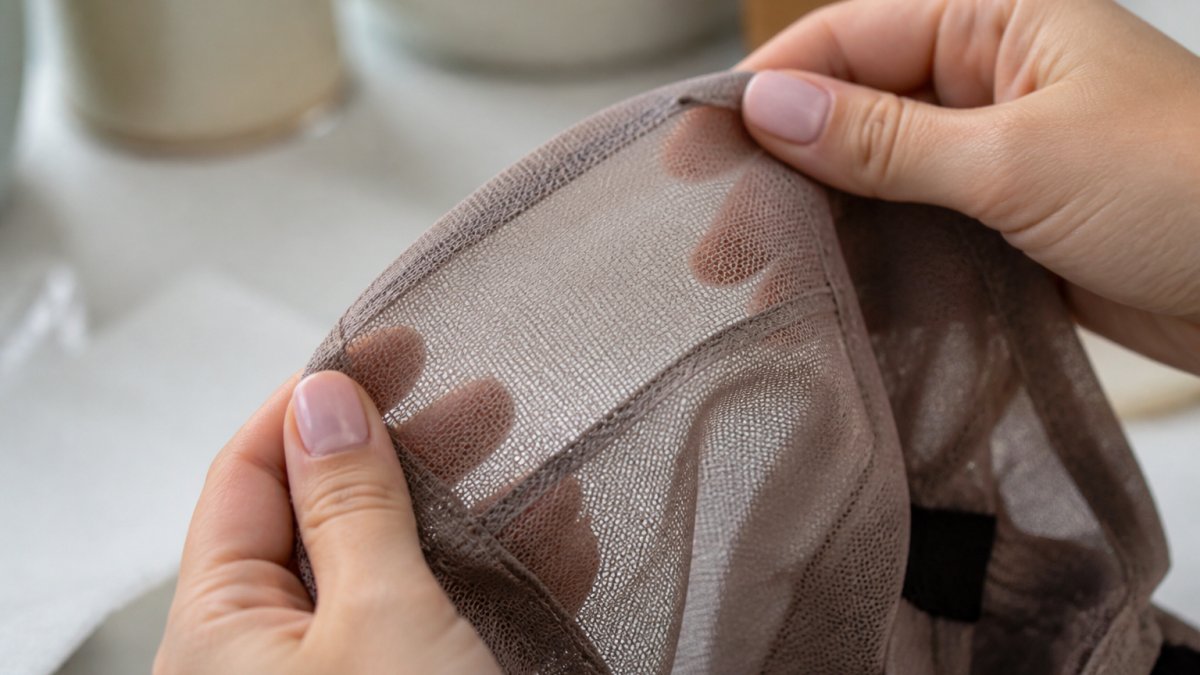
Look for caps made from breathable, stretchy materials. Mesh construction allows air circulation and prevents sweat buildup. Cotton blends feel softer than synthetic materials and irritate less.
Avoid caps with rough seams or tight elastic bands. These create pressure points that become painful over hours of wear. Seamless caps or caps with soft, wide elastic are gentler.
Size matters enormously. A cap that's too tight causes headaches and scalp irritation. A cap that's too loose allows the wig to slip. Measure your head carefully and follow sizing guides exactly.
Glueless wigs from Wigs Ldn use adjustable caps that fit different head sizes without requiring adhesive. The customisable straps mean no glue irritation and maximum comfort for sensitive scalp. You can adjust the fit throughout the day as needed.
Consider a wig cap liner underneath your wig cap. These thin, stretchy layers add cushioning and reduce friction. They also protect your scalp from the wig cap material itself.
Common Mistakes to Avoid During Scalp Care
Small mistakes compound over time and damage your scalp. Avoiding these pitfalls keeps your skin healthy.
Using products too frequently. More isn't better. Washing daily strips oils. Applying treatments every day can irritate skin. Stick to 2-3 times per week for cleansing and moisturising.
Ignoring itching and irritation. Itching is your scalp's way of signalling a problem. Address it immediately. It often means your products are wrong, your wig cap is too tight, or you need to adjust your routine.
Wearing wigs without breaks. Your scalp needs air and rest.
Skipping sunscreen. Sun damage is cumulative and irreversible. Protect your scalp every single day, even on cloudy days. UV rays penetrate clouds.
Using hot water. Hot water feels good but damages skin. It opens pores, strips oils, and causes inflammation. Lukewarm water is always better.
Picking or scratching. Bare scalp is tempting to touch and scratch. Resist. Picking causes infection and scarring. Keep your hands off your scalp when you feel the urge to scratch.
When to Seek Medical Advice
Most scalp irritation responds to good care. Some situations require professional help.
Speak to your doctor if you experience persistent itching that doesn't improve with care. Severe pain, unusual redness, or signs of infection need immediate attention. Oozing, pus, or warmth around the scalp can indicate a bacterial or fungal infection that requires treatment.
If you're losing hair in new patterns or experiencing unexpected shedding, your doctor can determine the cause. Some types of alopecia respond to medical treatment, and early intervention helps.
Scalp conditions like seborrhoeic dermatitis or psoriasis can develop alongside alopecia. These need specialist care. Your doctor can refer you to a dermatologist if needed.
Don't assume your scalp irritation is just part of having alopecia. A healthy scalp is possible, and professional help gets you there faster.
Effective scalp care alopecia isn't complicated, but it does require consistency and the right approach. A healthy scalp makes wearing a wig comfortable and confident. It reduces irritation, prevents infection, and lets you focus on living your life rather than managing discomfort. Wigs Ldn specialises in glueless wigs with adjustable, breathable caps designed specifically for sensitive scalps. Our made-to-order pieces are crafted to fit your head perfectly, eliminating pressure points and irritation. Start with a wig that fits your scalp properly, pair it with a solid care routine, and you'll feel the difference immediately. Shop now
Frequently Asked Questions
How often should I wash my scalp during alopecia?
Wash your scalp 2-3 times per week with lukewarm water and a gentle, pH-balanced cleanser. More frequent washing can strip natural oils and irritate sensitive skin, whilst infrequent washing allows product buildup and sweat to accumulate. Adjust frequency based on your scalp's response, if irritation increases, reduce to once weekly and gradually build tolerance.
What should I avoid putting on an alopecia-affected scalp?
Avoid harsh chemicals, strong fragrances, alcohol-based products, sulphates, and parabens. Skip tight hats or headbands that restrict blood flow, and don't use hot water or vigorous rubbing. Steer clear of heavy oils that trap heat and bacteria. Always patch-test new products on a small area first, and consult your GP if you experience persistent redness, burning, or sores.
Can scalp care help hair grow back with alopecia?
Scalp care alone cannot reverse alopecia, but it creates optimal conditions for any regrowth your body may produce. A healthy scalp environment reduces inflammation, irritation, and infection risk, which supports your scalp's natural function. Medical treatments prescribed by your GP, such as minoxidil or corticosteroids for certain types, work alongside good scalp care to give the best chance of regrowth.
Can wearing a wig irritate my scalp?
Wigs can irritate sensitive scalps if they're too tight, made from synthetic materials, or worn without proper hygiene. Choose breathable, soft wig caps designed for sensitive skin, ensure a proper fit without tension, and allow your scalp to breathe by removing your wig for at least a few hours daily. Glueless wigs offer a gentler alternative to adhesive-based options, reducing friction and chemical contact.