

Last Updated: 9 November 2026
Quick Summary
You can style thinning hair naturally by changing your parting to a deep side part, choosing soft internal layers, and trying a shorter cut such as a bob or pixie. Building root lift without heat and using heatless styles also help. Lightweight products add body without weighing fine hair down.
- Move your parting to a deep side part to cover the crown and add lift.
- Ask for soft, internal layers rather than heavy, choppy layering.
- Let hair dry about 80 per cent before styling to build root lift without heat.
- Keep hair ties loose to avoid traction breakage on thinning hair.
- Apply a pea-sized amount of lightweight mousse to the roots, not the lengths.
Table of Contents
- 1. Change Your Parting to a Deep Side Part
- 2. Choose Layers and Shaping That Add Movement
- 3. Try a Shorter Cut Such as a Bob or Pixie
- 4. Build Volume at the Roots Without Heat
- 5. Use Heatless Styles That Keep Hair Full
- 6. Pick Hairstyles for Thinning Hair That Flatter Your Pattern
- 7. Use Lightweight Products That Add Body Without Weight
- Booking Your Next Wig Fitting or Styling Consultation
- Frequently Asked Questions
7 ways to style thinning hair naturally can make a real difference to how full your hair looks, and most of them cost nothing beyond a good cut and a little patience. The methods below focus on cut, parting, blow-drying and styling choices rather than heavy concealers, so the result looks like your own hair at its best.
Hair thinning is common, and it is not something to hide from or feel embarrassed about. The aim here is simple: create the impression of density through shape, movement and texture. Work through these seven approaches and you will find one or two that suit your hair type and pattern.
1. Change Your Parting to a Deep Side Part
Moving your parting to a deep side part is one of the quickest ways to add lift. A centre parting tends to show scalp along the line, while a deep side part sends hair across the crown and fills in the gap.
Start by brushing your hair to the side you want it to fall. Then use a fine tail comb to create a clean line from the hairline to the crown. Keep the part slightly off-centre, roughly where your natural hair already falls, so the style looks effortless rather than forced.
Watch out: changing your part every day can weaken the hair at the root and make it look flatter over time. Choose one new parting and stick with it for a few weeks before deciding it does not work.
The table below sums up the main ways to add lift and fullness across the seven approaches covered in this guide.
| Method | Best for | Key point |
|---|---|---|
| Deep side part | Crown coverage | Keep the part off-centre |
| Soft internal layers | Adding movement | Avoid heavy, choppy layering |
| Bob or pixie | Denser look | Cut with precision |
| Root lift without heat | Volume at the roots | Let hair dry about 80 per cent first |
| Heatless plaits or rollers | Shape without heat | Keep ties loose |
| Lightweight mousse or spray | Body without weight | Apply a pea-sized amount |
2. Choose Layers and Shaping That Add Movement
Layers can create the illusion of body, but only when they are cut with care. Long, one-length hair tends to hang flat and show more scalp through the lengths. Subtle layers around the crown and face-framing pieces give the hair shape and bounce.
Ask your stylist for soft, internal layers rather than heavy, choppy ones. Heavy layering removes the weight that many people with fine hair rely on for thickness. Some stylists advise against layers at the back of the head for thinning hair, so talk through the plan before the first snip.
3. Try a Shorter Cut Such as a Bob or Pixie
A shorter cut concentrates your remaining hair into a smaller space, which often makes it look denser. A blunt bob with a little length at the front can frame the face and create a fuller silhouette. A pixie cut takes this further, and it suits some women with thinning hair very well when the shape is cut with precision.
If you want to test the look first, a wig can show you how a shorter style would sit on your head and face. Our bob-length fringe wig and short pixie wig are made to order, so you can see the cut before committing your natural hair to it.


4. Build Volume at the Roots Without Heat
Root lift is the foundation of most thinning-hair styles. You can create it with a volumising mousse or root spray applied to damp hair, then blow-dried upside down or lifted with a round brush. Focus the product on the roots and avoid coating the lengths, which can weigh the hair down.
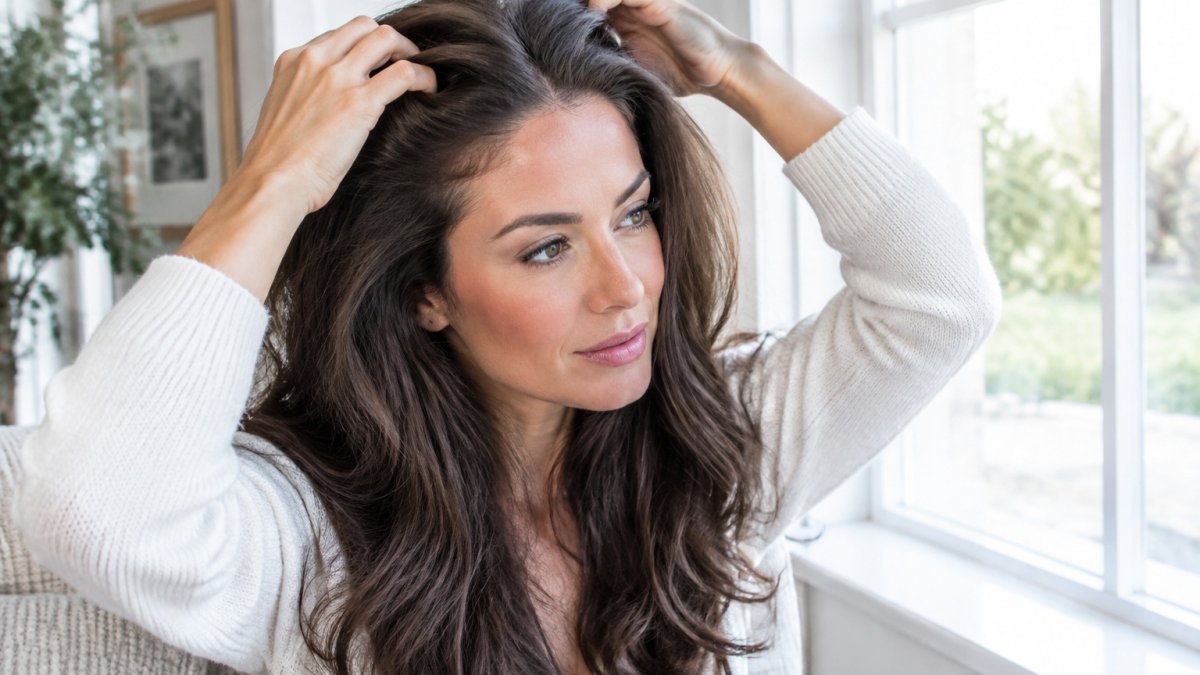
If you prefer to avoid heat, let your hair dry about 80 per cent before you style. Then use your fingers to lift the roots gently and set the shape with a light texture spray. This method protects the hair from damage and still gives lift where it matters most.
5. Use Heatless Styles That Keep Hair Full
Heatless styles can add shape and texture without the wear that heat tools cause. Plaits, twists and loose buns set overnight create waves and body that last into the next day. Sleeping in a loose plait or wrapping damp hair around flexible rollers are two gentle options.
Keep the ties and clips loose. Tight elastics pull on the hairline and can cause traction breakage, which is the last thing you want when hair is already thinning. Remove any tension before bed and brush gently in the morning.
6. Pick Hairstyles for Thinning Hair That Flatter Your Pattern
The right style depends on where your thinning is. If the crown is the main concern, a deep side part and root lift will do most of the work. If the hairline has receded, a side-swept fringe or a soft front section can frame the face and draw attention away from the sparse areas.
Hairstyles that gather hair into a low ponytail or bun can flatter fine hair when the hair is smoothed well and the volume is placed at the crown. For a fuller look, try a double ponytail or a gently teased updo. Match the style to your face shape as well, since a rounder face often suits softer layers while a longer face can carry more height at the crown.
7. Use Lightweight Products That Add Body Without Weight
Product choice matters more with thinning hair. Heavy oils, thick creams and waxes can flatten fine strands and make them look greasy. Lightweight, alcohol-free mousses, volumising sprays and dry shampoo add grip and lift without the build-up.
Apply product sparingly and work it through the roots. A pea-sized amount of mousse is often enough for shoulder-length hair. Stick to one or two products in your routine so you can tell what is working.
Quick picks for lightweight styling:
- Volumising mousse: best for root lift on damp hair
- Dry shampoo: best for adding texture between washes
- Texture spray: best for movement without stiffness
Booking Your Next Wig Fitting or Styling Consultation
If you are considering a wig to add fullness or to support styling, the process is simpler than many people expect. Every Wigs Ldn piece is made to order in the UK, so contact us before you order if you need a firm date.
Our U-part wig and V-part wig are built to your chosen density and cap size, and a consultation guide to choosing a style for your face shape can help you narrow the options. Book a fitting or styling consultation through the Wigs Ldn website to talk through your hair goals and find the right fit.
Frequently Asked Questions
How can I make thinning hair look fuller naturally?
Start with your parting and cut, since these change how much scalp shows most. A deep side part moves hair away from the crown, while subtle layers and a shorter length add movement that reads as thicker. Combine these with gentle root lift and a lightweight product, and the overall effect looks fuller without any heat or heavy products. Small changes to placement often make a bigger difference than adding more product.
Can layers make thinning hair look thicker?
Layers can help, but they are not suitable for every thinning pattern. Light, subtle layers that start below the crown can add movement and lift, whereas heavy layering that removes length from the back often makes ends look sparse. Ask your stylist for shaping that keeps weight through the ends. If you are wearing a wig, the same principle applies: a cut with gentle internal shaping, such as the Custom U-Part Wig in straight, can look fuller than a blunt, heavy style.
How should I part thinning hair to make it look thicker?
A deep side part is one of the simplest ways to add volume, because it lifts hair at the root on the side that is not parted. Changing your parting every few weeks also stops the scalp from showing in one fixed line. Use a fine comb to create a clean, straight partition and then smooth the hair away from it. The best side for you depends on where your thinning is concentrated, so experiment with both sides before settling on one.
